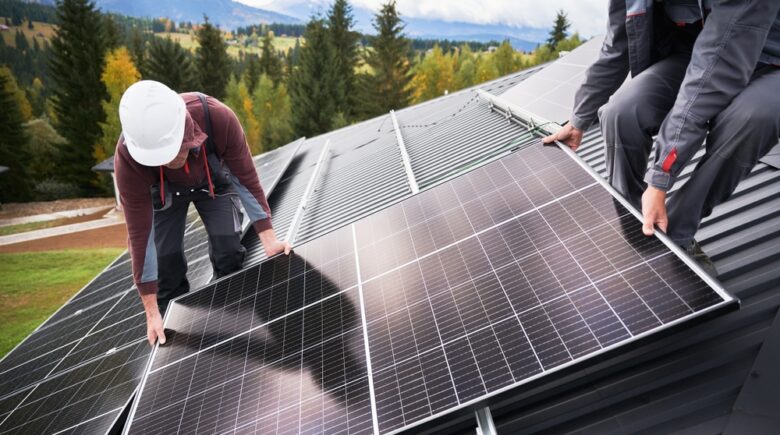
Solar energy in 2025 is undergoing one of the most transformative periods in its history. Once viewed mainly as an eco-friendly alternative to traditional power sources, solar has now entered the mainstream as a dominant force reshaping global energy systems. Rapid technological innovation, expanding large-scale infrastructure, and heightened public and private investment are converging to make this year a turning point. The acceleration of solar power is not only changing how electricity is generated and consumed, but also redefining environmental policy, economic planning, and the future of global energy security.
This surge matters now more than ever. As climate change intensifies and countries seek more resilient and cost-effective power solutions, solar is emerging as a central pillar of the clean-energy transition. The breakthroughs of 2025 demonstrate how quickly the field is evolving—and how profoundly it will influence consumers, businesses, and entire nations.
Breakthrough Technologies Drive a New Wave of Innovation
At the forefront of this year’s solar revolution are several remarkable technological advancements, the most notable being the rapid commercialization of perovskite solar cells. Perovskites have long been seen as a promising alternative to traditional silicon, but only recently have researchers succeeded in improving their durability and scaling their production. In 2025, perovskite cells are regularly achieving conversion efficiencies approaching 30%, far surpassing many conventional panels and pushing the boundaries of what photovoltaic technology can deliver.
These high-performance materials are unlocking new design possibilities—lighter panels, flexible surfaces, and hybrid perovskite-silicon modules that combine the strengths of both technologies. Such innovations are making solar installations more versatile, allowing them to be integrated into rooftops, windows, vehicles, and industrial structures in ways previously impractical.
Large-scale solar projects are also evolving. Utility-scale installations are increasingly paired with advanced energy storage systems, enabling solar plants to deliver steady power even when sunlight is unavailable. This integration is reducing dependence on fossil-fuel backup systems and making solar energy a more reliable component of national grids.
Another major trend gaining momentum is the expansion of floating solar farms. By installing panels on lakes, reservoirs, and coastal areas, developers are addressing the challenge of limited land availability—a critical issue in densely populated or agriculturally constrained regions. Floating systems also offer performance advantages: water naturally cools the panels, improving efficiency, and the installations can reduce evaporation from water bodies, offering an environmental co-benefit.
For many developing countries, these advancements represent more than technological progress—they are creating cost-competitive energy options that can be deployed rapidly. The rise of blockchain-based peer-to-peer energy trading platforms is also transforming how communities access and share energy. By enabling decentralized trading, these systems empower households to generate, store, and sell excess solar electricity, fostering local energy independence.
Cost Declines Boost Adoption and Put Money Back in Consumers’ Pockets
The technological leaps of 2025 are not happening in isolation. They coincide with significant cost reductions across the solar sector, delivering immediate benefits to both households and businesses. Manufacturing efficiencies, cheaper materials, and a more mature global supply chain are pushing prices downward, making solar installations more accessible to millions of consumers.
As solar-plus-storage systems become more affordable, homeowners are increasingly able to meet most or all of their energy needs independently. This shift reduces exposure to grid outages, volatile fuel prices, and peak-hour electricity rates. Businesses, particularly in energy-intensive industries, are investing in solar to cut long-term operating costs and meet rising expectations for sustainable practices.
At the grid level, utility-scale solar paired with battery storage helps stabilize electricity supply and reduce the need for expensive infrastructure upgrades. These improvements also support global efforts to cut greenhouse gas emissions. In cities and regions with limited available land, the newly viable floating solar model provides a sustainable way to continue expanding renewable capacity without compromising farmland or natural habitats.
Government incentives remain a key catalyst in this expansion. Tax credits, feed-in tariffs, low-interest financing programs, and renewable energy mandates are helping to accelerate adoption. However, the political landscape is shifting in many countries, creating uncertainty about the long-term future of certain subsidies. Businesses and consumers alike are increasingly aware that keeping up with regulatory changes is essential to making informed investment decisions.
The 2026 Horizon: AI Integration, Smarter Grids, and Evolving Policies
While 2025 is already proving to be a pivotal year, experts expect momentum to continue into 2026 and beyond. Global solar installations are projected to grow at record rates, driven by both technological innovation and growing societal demand for clean energy.
Artificial intelligence is emerging as a game-changing force in energy management. AI-driven software can forecast consumption patterns, optimize battery use, detect equipment faults, and automatically balance energy flows within homes, businesses, and grid networks. Smart inverters—devices that help solar systems interact more intelligently with the grid—are becoming standard, improving grid stability and enabling more distributed solar capacity.
Blockchain integration, which began as a niche concept, is becoming increasingly practical. Through decentralized energy marketplaces, communities can trade electricity in real time, rewarding producers and lowering costs for consumers.
Policy evolution will remain critical. Many governments are updating energy strategies to include higher renewable targets and more aggressive emissions-reduction goals. Public and private investors are focusing heavily on decarbonization and resilience, channeling capital into solar manufacturing, research, and infrastructure. Yet the pace of policy change varies, and stakeholders are advised to stay agile and informed.
For organizations, this evolving landscape means preparing for a future in which solar is not just a supplemental technology but a foundational part of energy systems. The combination of solar generation, advanced storage, and intelligent management tools is set to redefine how the world produces and consumes power.
Conclusion: A Critical Moment for the Energy Transition
The solar transformations of 2025 mark a decisive shift toward a cleaner, more resilient, and economically accessible energy future. Breakthrough materials like perovskites, innovative infrastructure such as floating solar farms, and smarter energy management tools are collectively reshaping global energy systems. Consumers benefit from lower energy bills and increased independence, while businesses gain new pathways toward sustainability and long-term cost savings.
As technology accelerates and policy frameworks evolve, investors, policymakers, and everyday energy users need to watch these developments closely. Embracing solar solutions today positions individuals and organizations at the forefront of a global shift that is not only inevitable but essential. The momentum of 2025 is setting the stage for a transformative decade—one in which solar power will play a central role in building a sustainable and resilient energy world.